


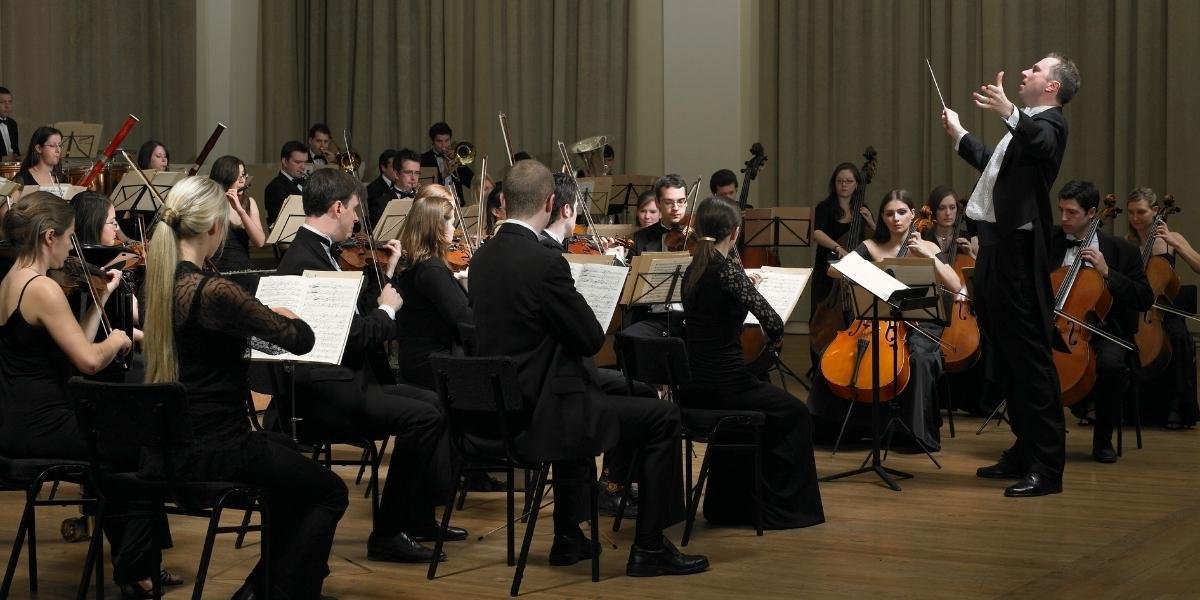
Ludwig van Beethoven is widely regarded as one of the most influential composers in the history of Western music. His compositions not only shaped the classical music tradition but also bridged the gap between the Classical and Romantic eras, pioneering new forms and techniques that would redefine the landscape of music. Beethoven’s works, known for their emotional depth, complexity, and innovative structures, continue to resonate with listeners around the world. This article traces the revolutionary legacy of Ludwig van Beethoven, examining how his life, struggles, and groundbreaking compositions left an indelible mark on music and culture.
Read Also: Exploring the Charms of Vienna: Why it’s Worth Visiting
Who Was Ludwig van Beethoven?
Beethoven was born in Bonn, Germany in 1770, at a time when classical music was dominated by composers like Joseph Haydn and Wolfgang Amadeus Mozart. His early life was marked by adversity, particularly his difficult relationship with his father, who pushed him to be a child prodigy. Despite these challenges, Beethoven’s musical talent blossomed early, and he moved to Vienna at the age of 22 to study with the famed composer Joseph Haydn.
Beethoven’s career began in the late 18th century, during the Classical period of music. His early compositions, influenced by the works of Mozart and Haydn, followed the classical forms of symphonies, sonatas, and chamber music. However, Beethoven soon began to experiment with structure and harmony, pushing the boundaries of the established musical norms. It was in the turn of the 19th century that Beethoven truly began to revolutionize music, moving beyond the formal constraints of classical composition and developing his own unique voice.
How Did Beethoven Overcome His Personal Struggles?
One of the most remarkable aspects of Beethoven’s life was his ability to overcome personal and physical struggles that might have discouraged most others. In his late 20s, Beethoven began to experience a gradual loss of hearing, which would ultimately lead to complete deafness by the time he was in his 40s. This hearing loss was a devastating blow to a composer who relied on his sense of hearing to create and perform music. Despite this, Beethoven refused to give up on his craft, and his ability to compose music without the benefit of sound is considered one of the most extraordinary achievements in musical history.
Beethoven’s deafness presented a unique set of challenges, but it also sparked some of his most innovative work. As he became more isolated from the world of music-making, he turned inward, creating compositions that were deeply personal, expressive, and often intense. His later works, including the Ninth Symphony and the Late String Quartets, reflect a profound emotional depth and complexity that set them apart from his earlier compositions.
Beethoven’s ability to continue composing despite his deafness is a testament to his resilience and creative genius. He famously used a conversation book to communicate with others, and he would often imagine the music in his head, composing entire symphonies without ever hearing a note. His deafness did not hinder his ability to create; instead, it led him to develop new methods of composition and pushed him to explore more abstract, innovative sounds that would define his later works.
What Were the Revolutionary Aspects of Beethoven’s Compositions?
Beethoven’s music is revolutionary in several key ways. Perhaps the most significant aspect of his work is the emotional depth and expressiveness that he brought to his compositions. Unlike many of his predecessors, who adhered to formal structures and conventions, Beethoven infused his music with a sense of personal expression that broke away from classical tradition. He introduced a more dramatic sense of contrast, shifting abruptly between different themes and moods, creating a sense of tension and release that was unprecedented.
One of the most groundbreaking aspects of Beethoven’s work was his use of form and structure. While many classical composers followed established forms for symphonies and sonatas, Beethoven began to expand and manipulate these structures in new and exciting ways. For instance, his Eroica Symphony (Symphony No. 3) broke the traditional mold of symphonic form by being much longer and more dramatic than its predecessors, introducing a new level of complexity that would influence generations of composers.
Another important innovation was his orchestration. Beethoven expanded the size of the orchestra, incorporating more instruments and creating rich, complex textures. He also used the orchestra in novel ways, exploring contrasts between different sections, such as strings and brass, or using unexpected timbres to evoke different emotions.
One of his most iconic innovations came in his Ninth Symphony, where he famously included vocal soloists and a choir in the final movement, setting Friedrich Schiller’s “Ode to Joy” to music. This incorporation of vocalists in a symphonic work was unprecedented, and the Ninth Symphony became one of the most enduring works in the classical canon.
How Did Beethoven Influence Future Generations of Composers?
Beethoven’s revolutionary approach to composition laid the foundation for the Romantic era in music. His willingness to break with tradition and embrace more expressive and personal music inspired a new generation of composers who followed in his footsteps, including Franz Schubert, Johannes Brahms, Richard Wagner, and Gustav Mahler.
The Romantic composers admired Beethoven for his ability to express deep emotion and to push the boundaries of what was possible in music. Like Beethoven, many Romantic composers sought to infuse their works with a sense of individuality and personal expression. They also admired his mastery of orchestration, harmony, and his bold, dramatic approach to form.
Beethoven also had a profound influence on the development of symphonic music. His expansion of symphonic form, particularly in works like the Eroica Symphony and the Ninth Symphony, set the stage for future symphonists to explore larger, more complex forms. His use of motivic development—the technique of taking a small musical idea and developing it throughout a piece—was also influential in the works of later composers, particularly those in the Romantic era.
Beethoven’s Legacy: The Enduring Impact of His Music
Beethoven’s music continues to resonate with audiences around the world, not just for its musical genius, but for its universal themes of struggle, triumph, and human expression. His works remain a core part of the classical repertoire, frequently performed by orchestras, chamber ensembles, and soloists alike. Beethoven’s music transcends the limitations of time, language, and culture, touching listeners deeply with its raw emotion and innovative brilliance.
Read Also: Engineering Meets Elegance: The World’s Expensive Grand Pianos
In addition to his music, Beethoven’s life story—particularly his perseverance in the face of deafness—serves as a source of inspiration for countless individuals across disciplines. His determination to continue creating music despite his physical challenges exemplifies the power of the human spirit and the transformative nature of art.
Beethoven’s legacy is also felt beyond classical music, influencing modern music genres such as film scores, rock, and electronic music. His ability to convey emotion through complex musical structures continues to serve as a model for musicians and composers around the world.